With the announcement of President Laura Walker’s departure from the college at the conclusion of this term, and a new interim president, Elissa Tenny, named to take her place, I decided to go back in time and look at Bennington’s forefathers.
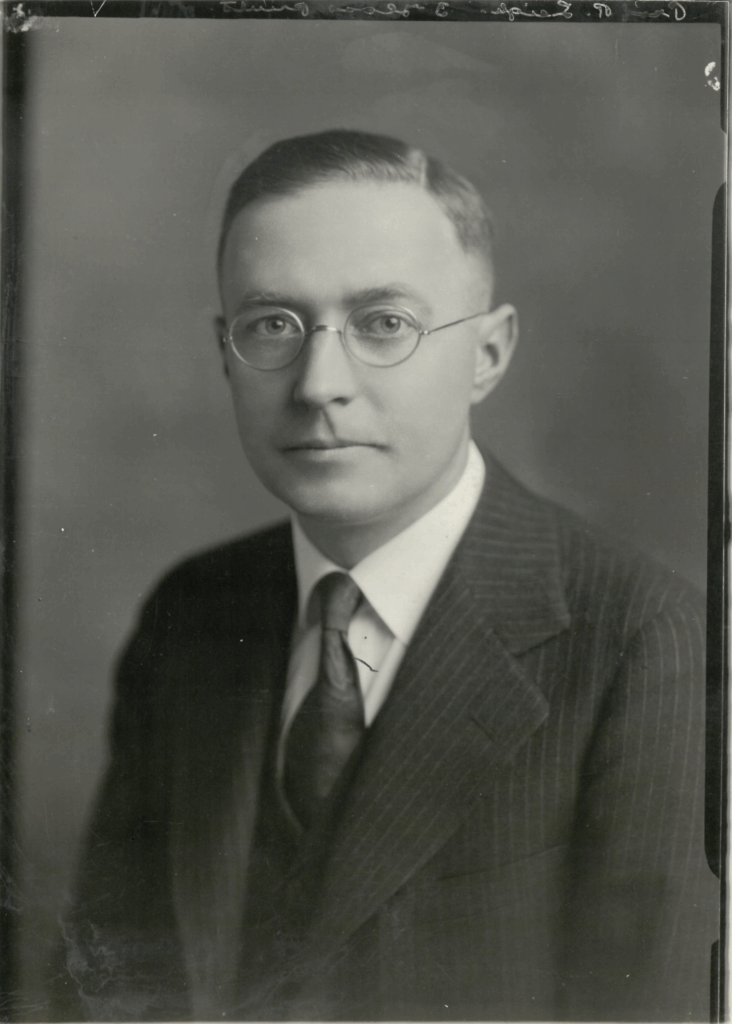
Robert D. Leigh became president of the College prior to its opening in 1932. He served from 1928 to 1941. A former lecturer at Columbia University, Reed College, and Barnard College, Leigh oversaw the construction of Bennington College on both the intellectual and physical level. As he was president during the early stages of the second World War, Leigh was involved in efforts to support the refugee status of “learned men” coming out of Europe. On January 28, 1939–months before the outbreak of the war– Leigh was sent a letter from Harvard University’s President’s Office requesting his support at an informal meeting in New York on the 31st of December, signed by the presidents of nearby universities, among them Yale, Brown, and Princeton. Here, you can see how Leigh wrote out his reply by hand before typing it in his official response later on.
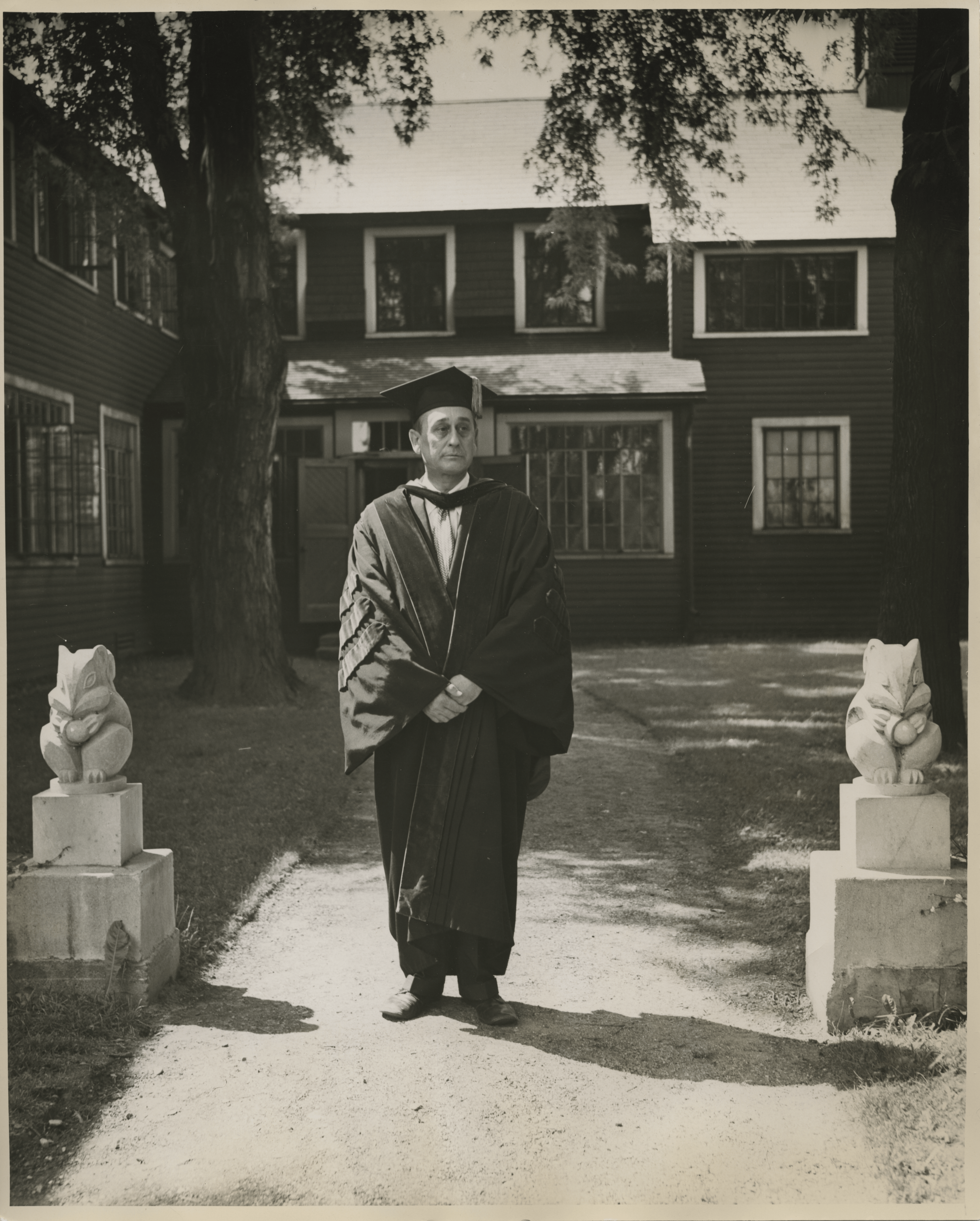
Our second president was Lewis Webster Jones, serving the college from 1941 to 1947. Jones received his doctorate from the Brookings Institution and worked as an economist on the staff of the League of Nations. He joined the faculty, along with his wife, Barbara, in 1932. He worked as an educator at the college up until his appointment as president. His energy-reduction policies and institution of the 200-acre farm on campus are direct results of World War II. He continued to offer courses during this time, most of which pertained to the economy and its functional realities during war.
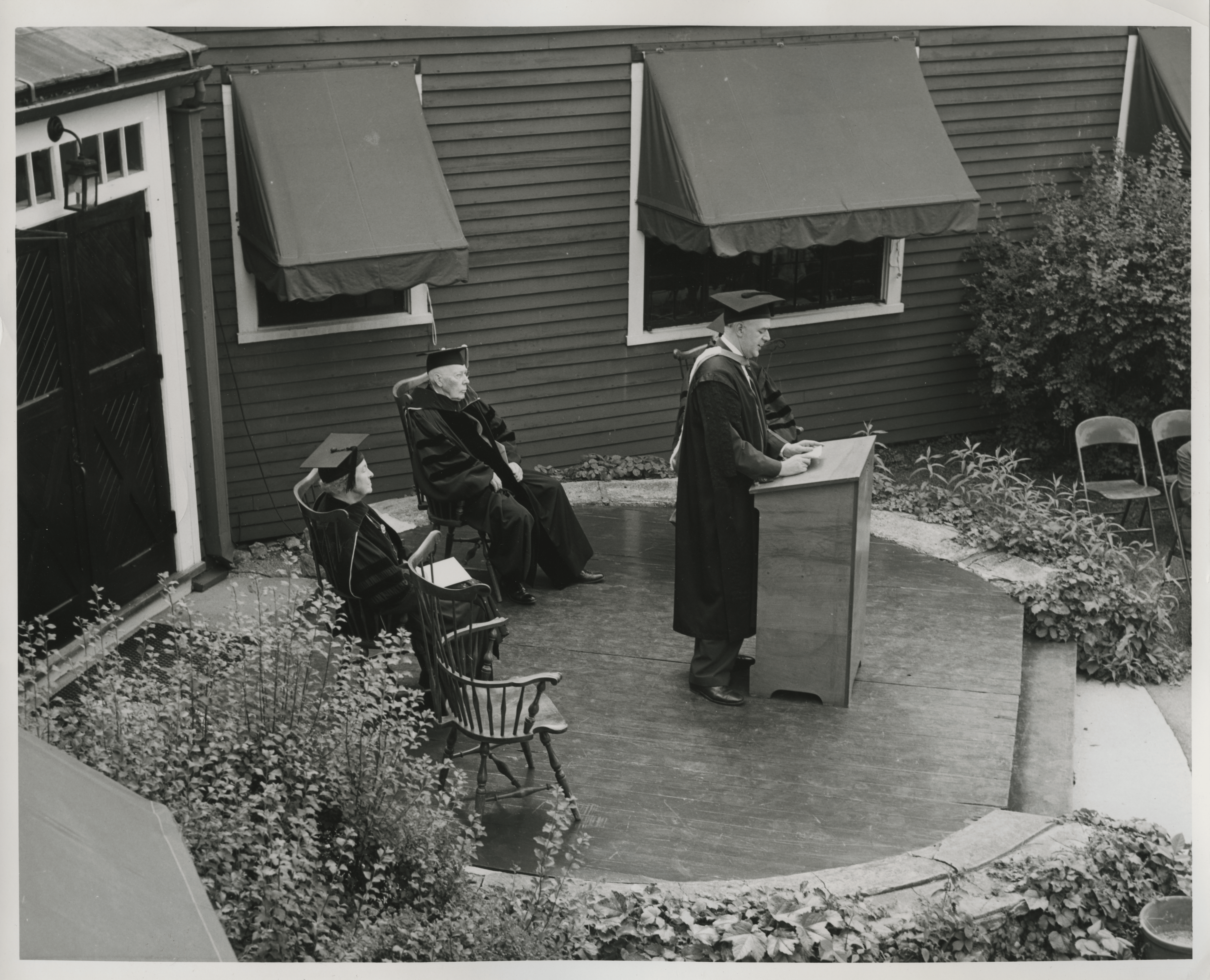
Our third president was Frederick H. Burkhardt, serving from 1947 to 1957. Prior to his time at Bennington, and after his time at Columbia, Burkhardt served in the U.S. Navy in World War II. He acted as chief of the Division of Research in Europe. However, what I found most interesting was the film he helped facilitate about Bennington College. The film was made by the U.S. State Department and was distributed in West Germany in 1952.
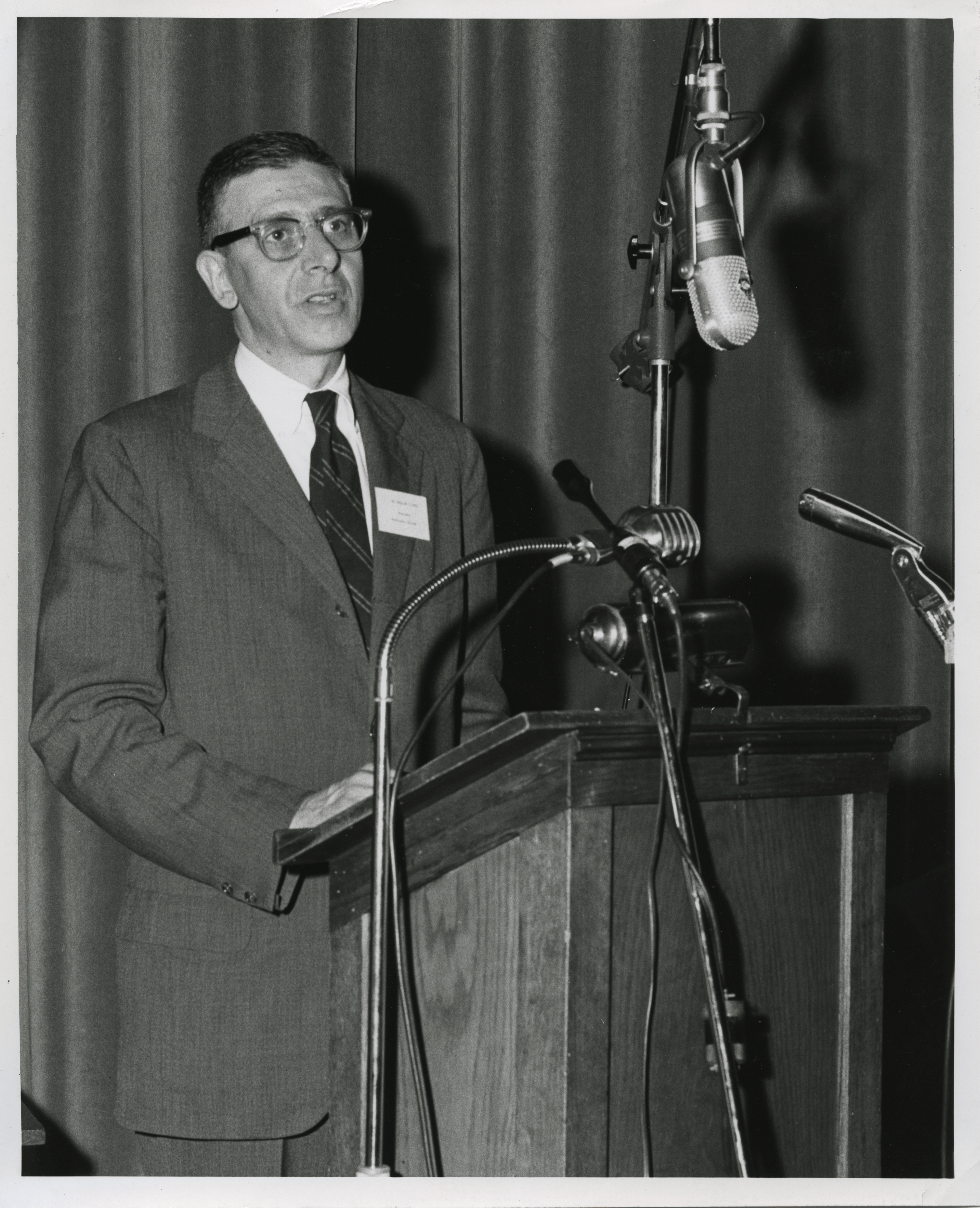
The fourth president was William C. Fels (yes, that Fels), serving from 1957 to 1964. Another Columbia graduate, he oversaw the construction of the Edward Clark Crossett Library (1959) and our central maintenance building. Under his leadership, the college returned federal aid under the National Defense Education Act. The act required that students sign loyalty oaths, which Fels and other university presidents protested. Notably, Fels did not resign, but passed away due to cancer after being hospitalized for two months.
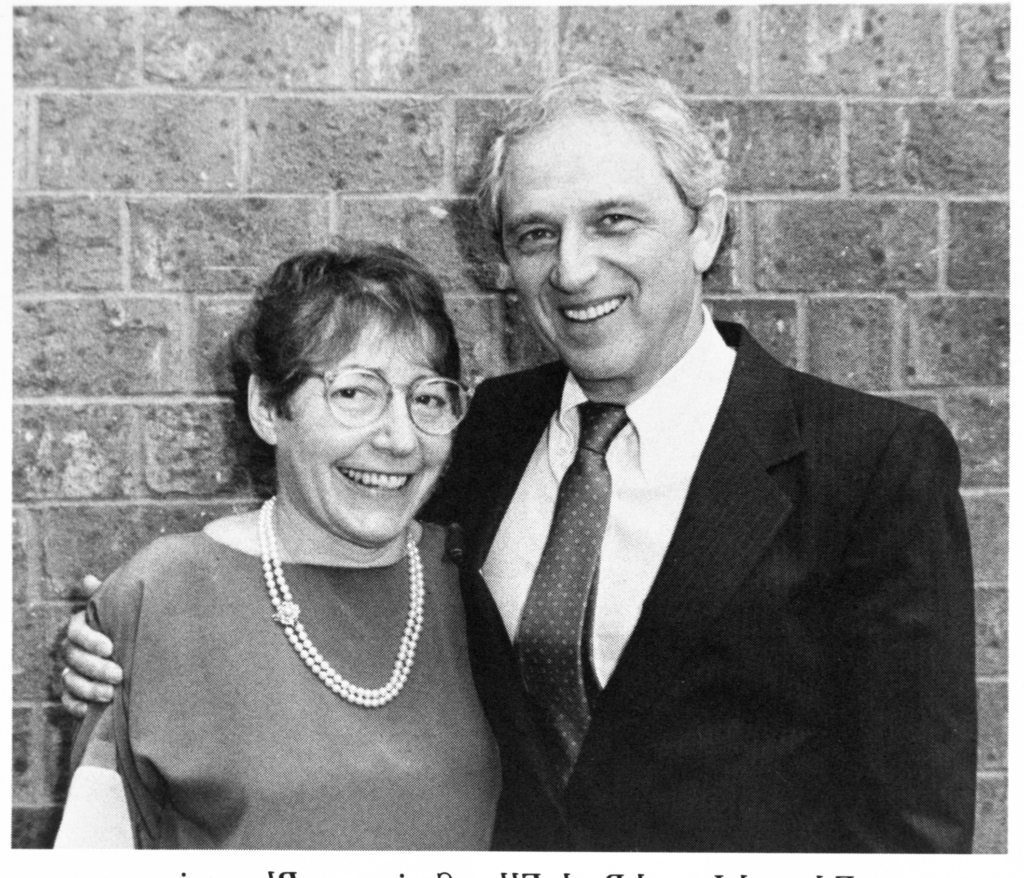
President Edward J. Bloustein was our fifth president, serving from 1965 to 1971. His presidency was marked by transition in the college, overseeing the period where we became a fully coeducational institution. There was a student revolt in 1968 in response to parietal rules. Published in the New York Times on June 15th, an article states that over half of the women in attendance at the college signed a petition requesting their expulsion from the school if they could not have men in their rooms at any hour they pleased. In 1970, Bloustein was confronted with a college-wide strike in response to the ongoing, escalating war in Vietnam and Cambodia.
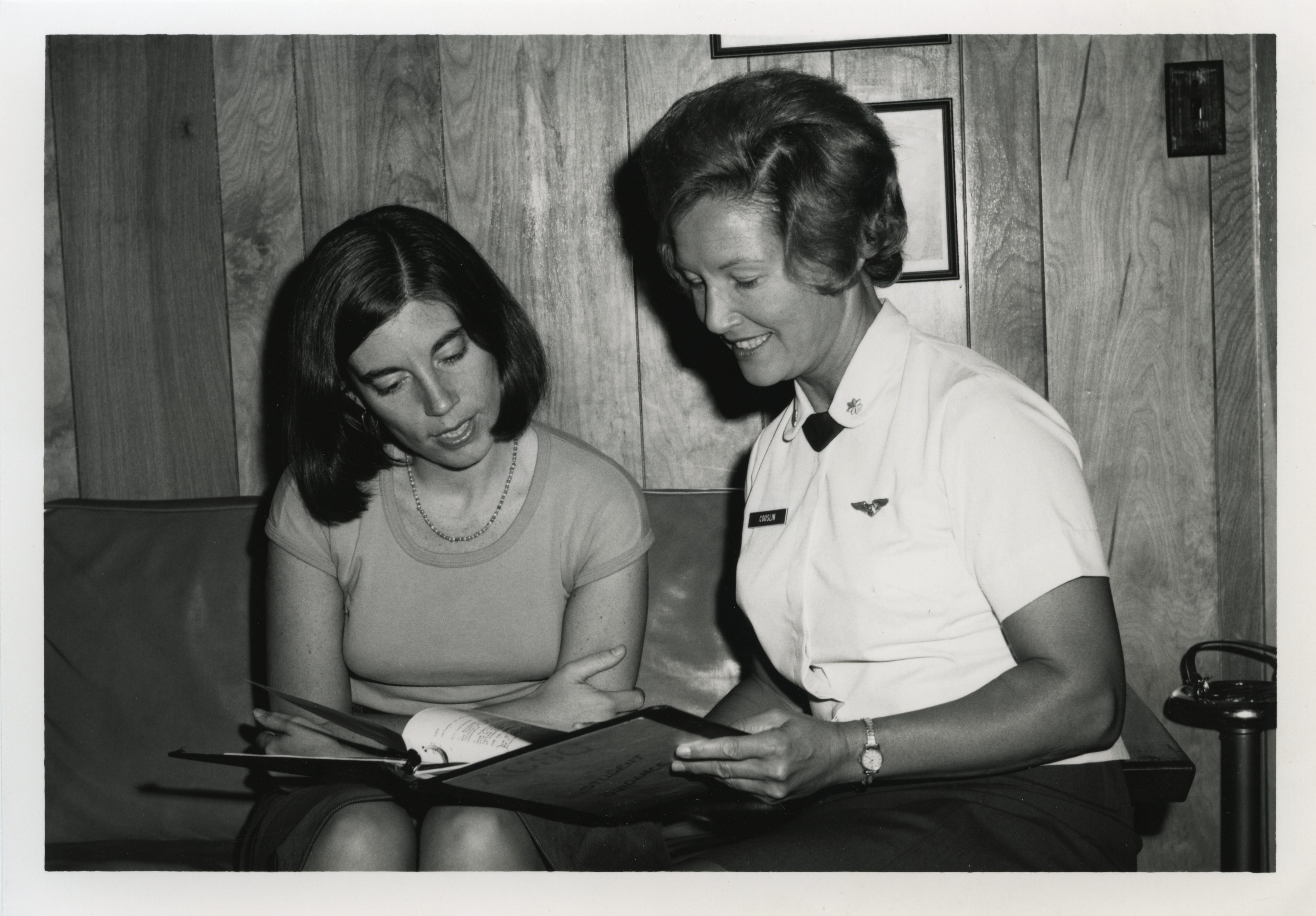
Our first woman president at our historically women’s college was President Gail Thain Parker, who served from 1972 to 1976. She received her PhD from Harvard University. Her major change was instituting the role of Vice President at the college, which was filled by her husband. She oversaw the final phases of the construction of VAPA. Her popularity with students and faculty waned significantly following the Report of Ad Hoc Committee of Future Directions (1975), and Parker resigned mid-year. Board of Trustee Member Joseph S. Iseman served as Acting President for the spring term of 1976, and Robert H. Woodworth for the fall 1976 term. The aforementioned report touched on issues of finance, the college’s move from its innovative and freedom-based roots, and the presumptive tenure of faculty, instituting the review process.
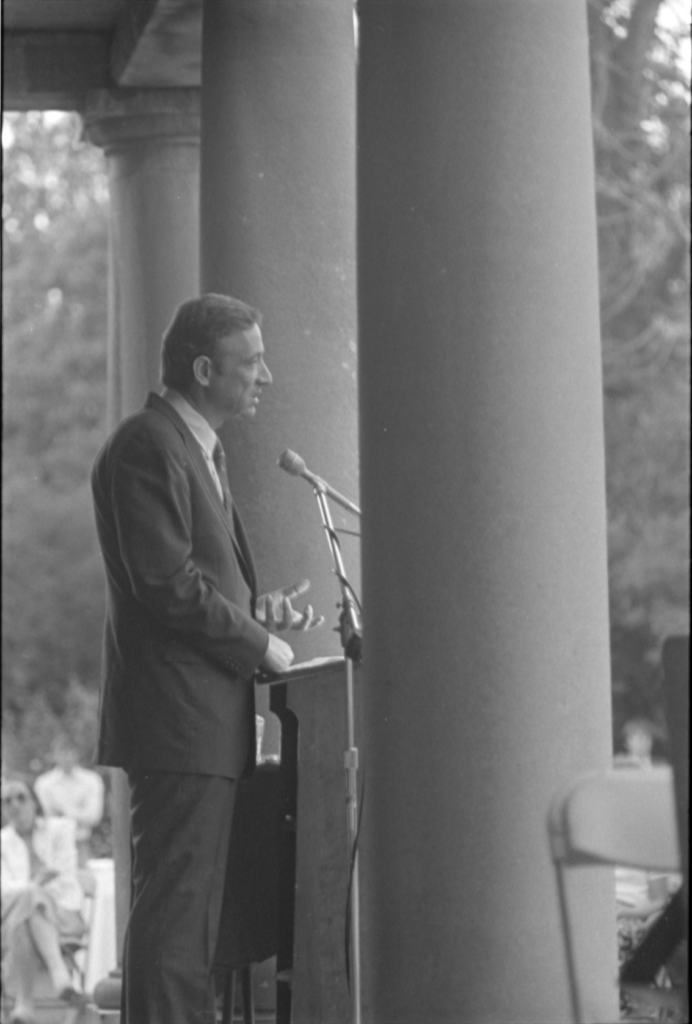
Our seventh president was Joseph Murphy, serving from 1977 to 1982. His time at the college was overall marked by a period of general calm in terms of controversy, his most notable accomplishment being the establishment of a distinguished visiting lecturer series, laying the groundwork for future series such as Poetry at Bennington today.
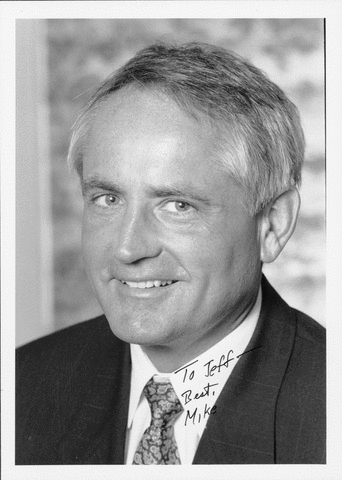
Our eighth president was Michael K. Hooker, serving from 1982 to 1986. Hooker’s period at the college was one marked by our upcoming season: Field Work Term. The formalization and full integration of this graduation requirement was completed during these years.
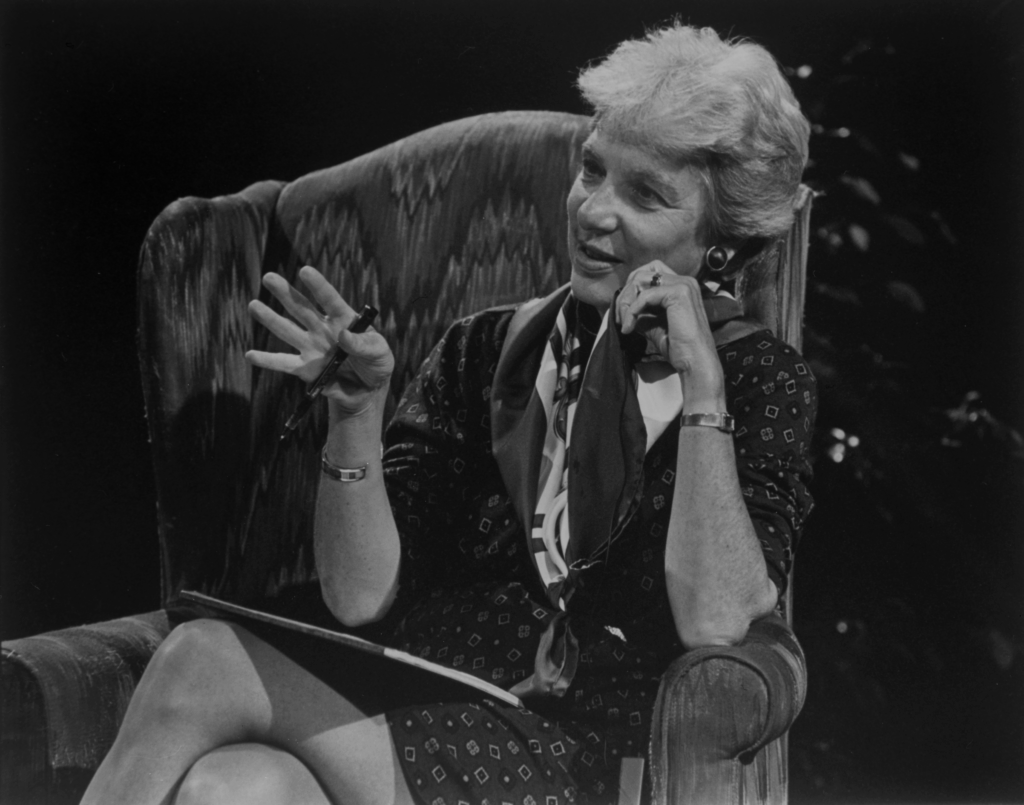
Our ninth president has been, and remains, our longest serving president: Elizabeth Coleman. She was president from 1987 to 2013, meaning that many of our beloved faculty and staff knew her. Coleman took over the college during a time of financial crisis. Bennington carried a $1 million deficit when she signed on. Her response? Well, in 1994, the college eliminated all academic departments and fired 26 faculty members. The American Association of University Professors responded in kind with a censure. The move, and the moves that followed, remain controversial despite the economic success Coleman’s systematic restructuring incurred. 17 former faculty members sued the college in 2000 and were rewarded a total of $2 million. Also in 2000, Professor Carlin Romano was fired mid-term. His courses were cancelled and he was told that speaking publicly would result in his eviction from the college apartment. Romano openly criticized Coleman’s policies, and many believe his termination was a form of retaliation. Coleman, on the whole, was a divisive figure; the good and bad she did for the college remain hot topics.
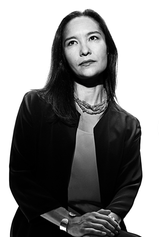
Our tenth president was Mariko Silver, serving from 2013 to 2019. A Yale Graduate, Silver’s presidency was one marked by educational development rather than economic reform as Coleman’s had been. She implemented a re-design of the FWT program and boasted a more diverse applicant pool. Following her time as president, Silver went on to become the president of Lincoln Center for the Performing Arts in Manhattan.
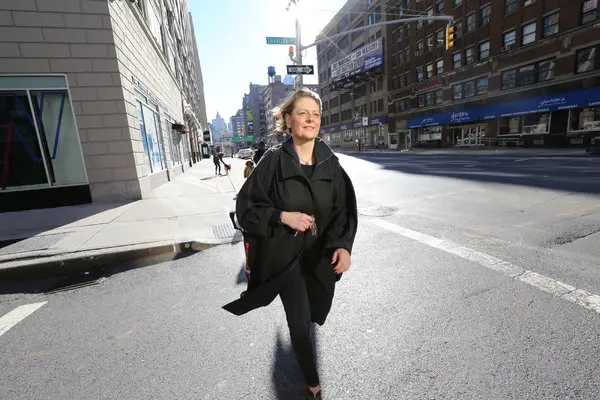
Finally, we have President Laura Walker, our eleventh president, serving from 2020 to the present term in 2025. What, do we suspect, will be her legacy?





Be First to Comment