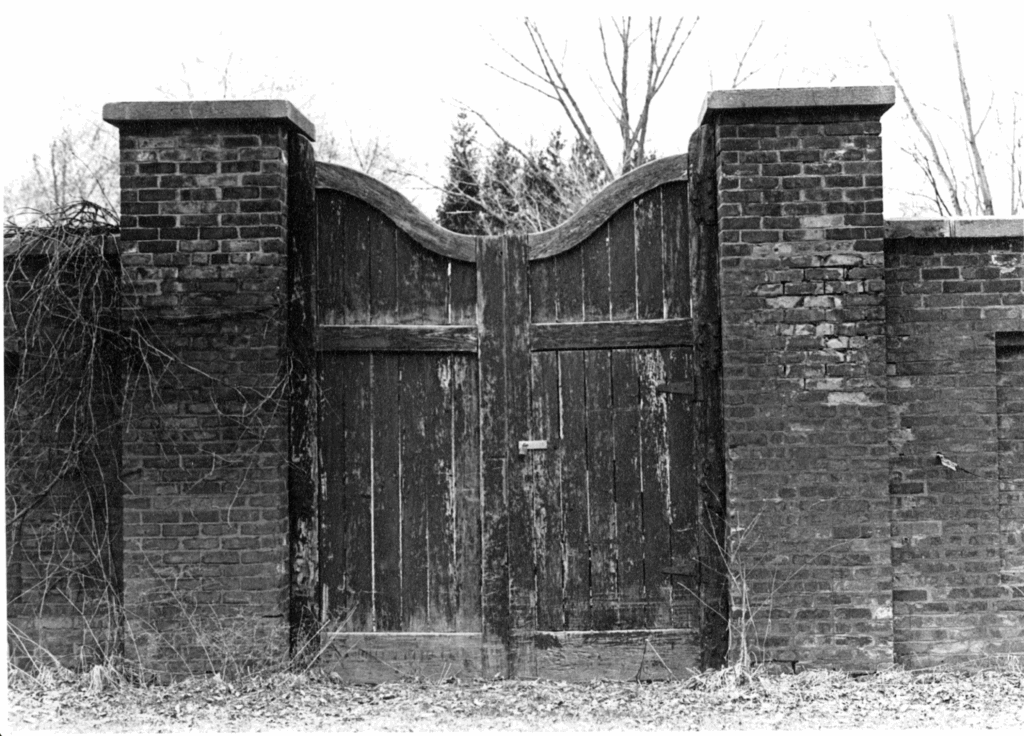
The Secret Garden has long been a beloved landmark, its stone wall expressing the rich, earthy history of Bennington College. But last week, the college announced a new chapter: the garden will be demolished due to severe structural weaknesses, according to the Bennington Bulletin weekly newsletter. “The demolition addresses an immediate safety need and gives us the space to thoughtfully re‑envision the garden’s future,” the college said. Now, the community watches, wondering what will come of the bare ground that once seized hearts for generations.
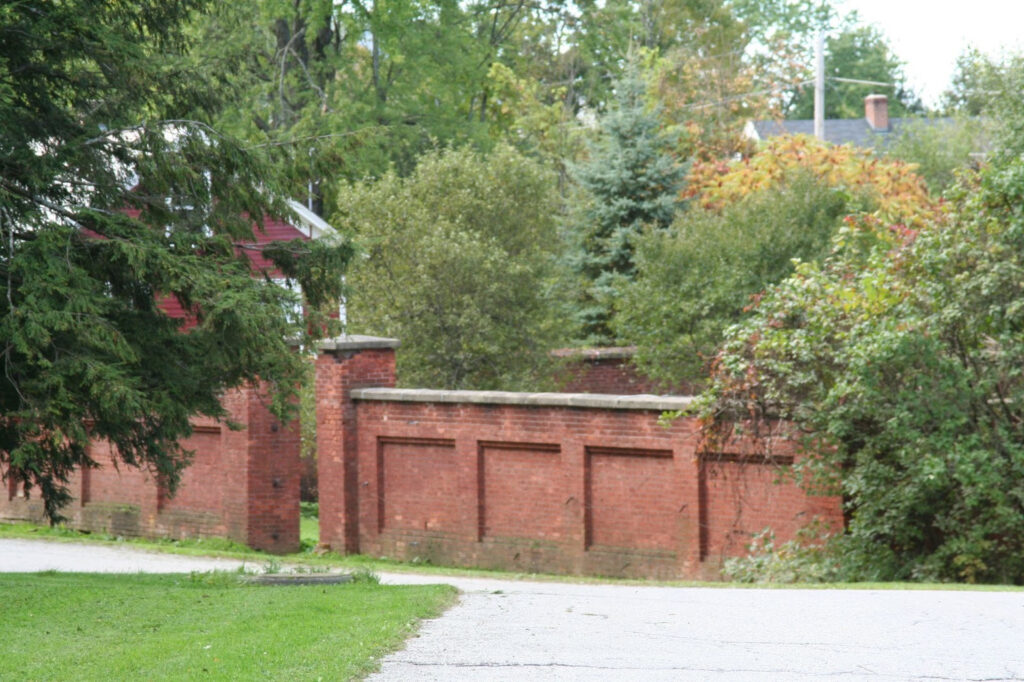
Near what is presently Jennings Cottage and the Dean Carriage Barn, the Secret Garden once stood, built in recognition of Helen Frankenthaler. Since 1949, the garden has been a place where faculty held community events and where students gathered and presented work. As an important part of Bennington College history, the Lens finds it necessary to look back at the wall’s history and assess the collapse.
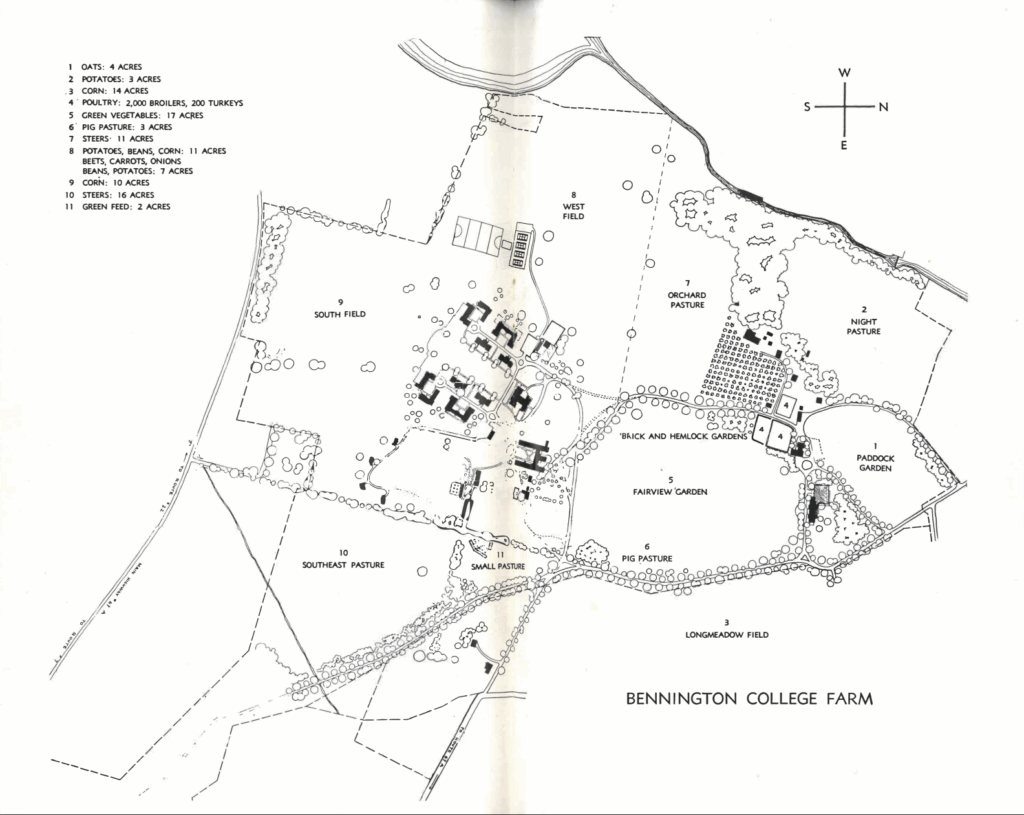
In 1942, amid the war effort, Bennington College switched from oil to coal heating, extended its Winter Field Work term, and launched a self‑sustaining farm program. An issue of the college’s quarterly Bulletin detailed the new agricultural system, including a map of eleven plots covering roughly 100 acres. By 1943, the campus aimed to feed about 400 people largely from its own production, growing and raising most of the meat, poultry, garden vegetables, potatoes, and apples. The article noted that once college orders were met, 2,000 chickens and 200 turkeys would be housed near the Carriage Barn and the apple orchard, the area now known as the Secret Garden, which once served as the poultry farm.
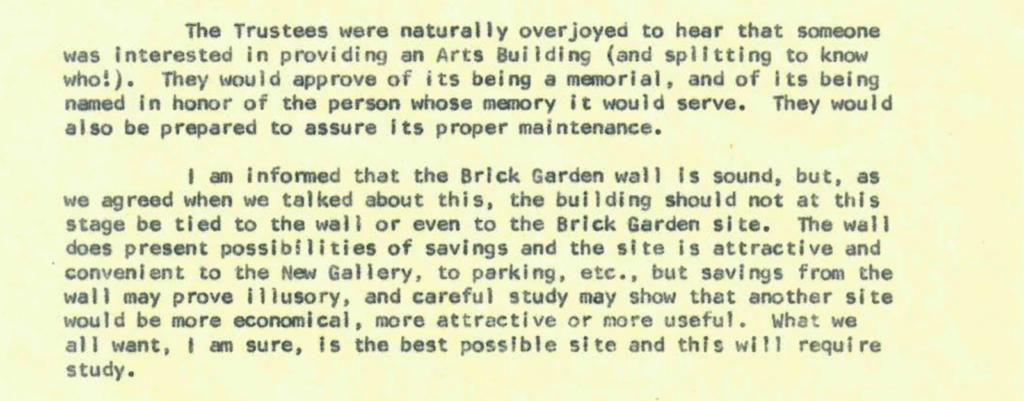
A 1958 archived letter from former Bennington College president William C. Fels articulated early plans to build an “arts” building on campus. In the letter, Fels mentioned the possibility of building it attached to the garden wall. This marked the wall’s early existence and the exemplary maintenance within those years. Fels wrote: “I am informed that the Brick Garden wall is sound, but as we agreed when we talked about this, the building should not at this stage be tied to the wall or even to the Brick Garden site.”
In the fall of 1982, Edward Flaccus, science faculty, wrote a letter regarding how the grounds should be maintained. Flaccus advocated in the direction of “informality, low maintenance cost, practicality, but good care.” Towards the end of the letter, he wrote: “There is ongoing interest in developing the Brick Garden as a horticultural space, in which especially dwarf fruit trees can be grown and an experimental garden established. Progress on this has been slow but steady. Students have worked on cleaning it up, planting fruit trees, etc., and this will continue.” This displayed the development of and interest in the garden.
The Quadrille, a paper for “Alumni and friends of Bennington College,” announced progress on restoring the brick garden, a moniker for the Secret Garden in 1982. A project funded by numerous sources coordinated by Ed Flaccus allowed for the reconditioning of the brick garden, where eight dwarf fruit trees were planted. Years later, in the Winter 1988 volume of The Quadrille, it is noted that ecology faculty Kerry Woods was working with several students to resuscitate the Secret Garden, also known as the Walled Garden located by the orchard. “Originally the old Jennings Estate grapery, it had been allowed to fall into disrepair until former faculty member Ed Flaccus began to refurbish it. Plans call for developing herb and flower beds, for laying out planting beds associated with student work in botany and ecology, and for developing spaces for display of sculpture as well as music and drama performances.”
By June of 2004, Bennington College released a “Landscape Master Plan,” a document that identified improvements by area providing design standards for implementing new projects. Plans to restore and inhabit the Secret Garden were included in the plan, consisting of a map, photographs, and descriptions of the areas in need of repair. “There is also a unique walled garden and a large garden room framed with Hemlocks that provide productive and ornamental gardens. Restored, they can provide additional destinations for gathering, performances, and exhibitions,” the document read.
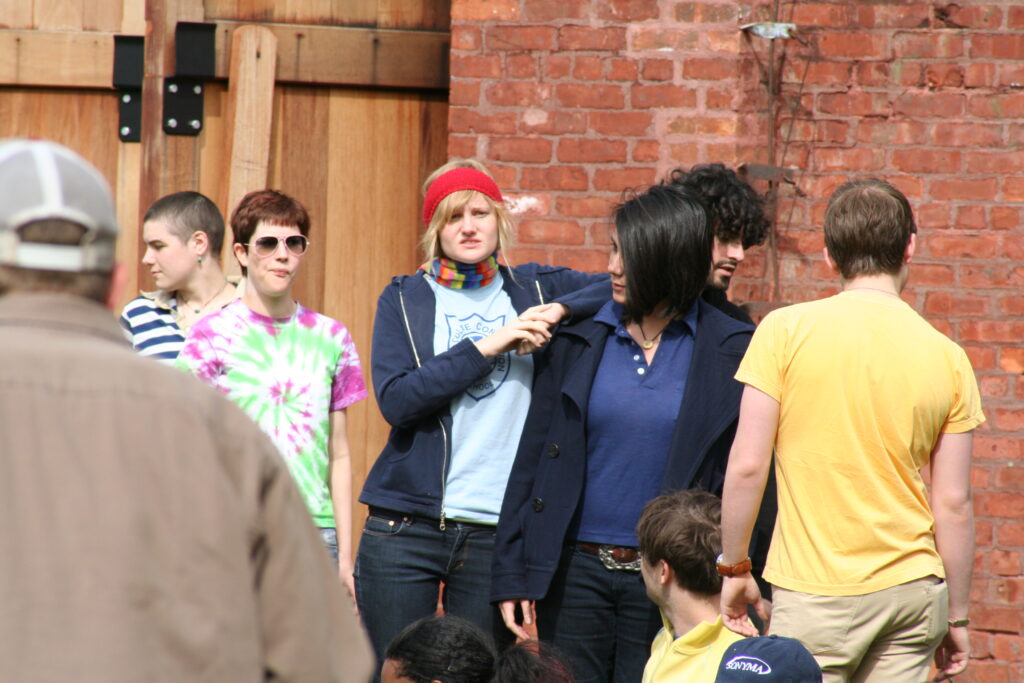
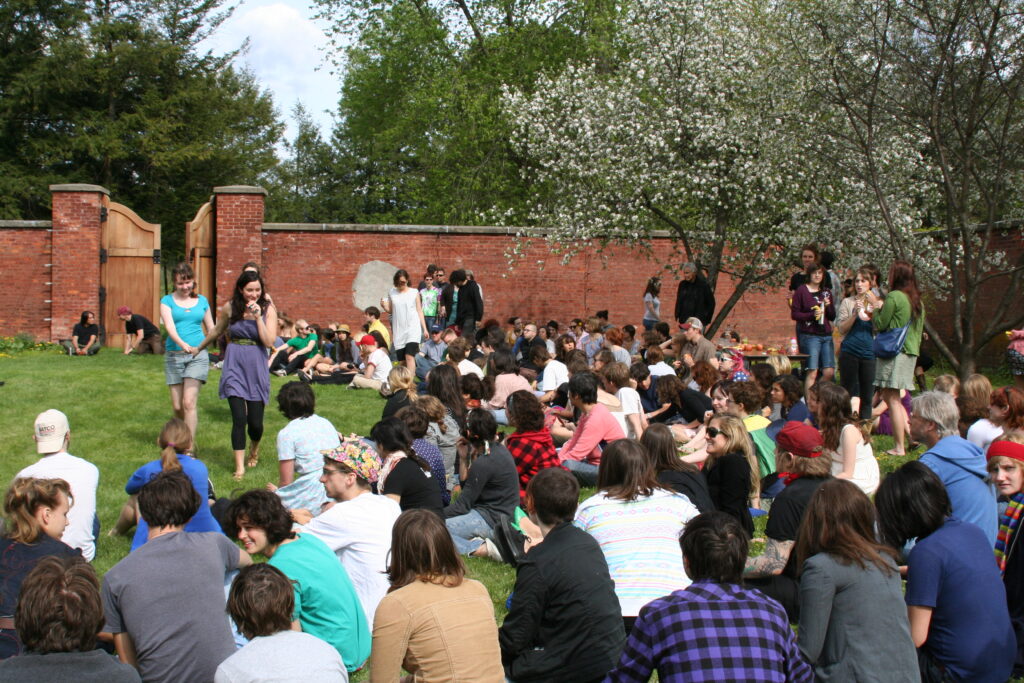
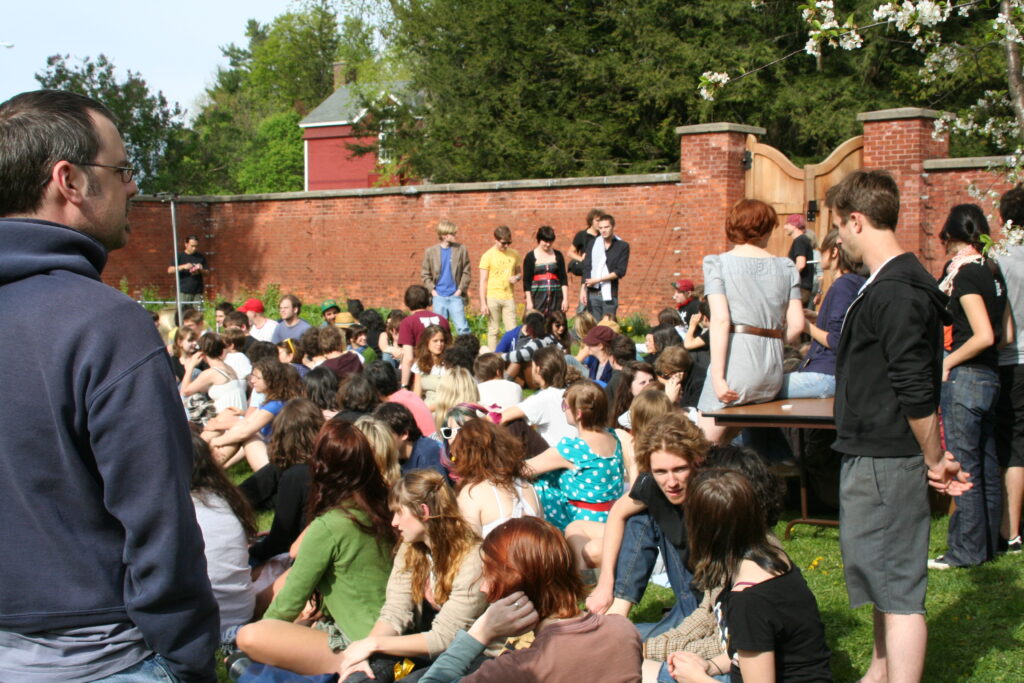
An architectural walking tour map constructed in 2018 lists the Helen Frankenthaler Secret Garden as restored in 2008. “A walled, green space containing flowers, ornamental and fruit trees, and a small deck for outdoor performances—it is a lovely spot for quiet contemplation,” it noted.
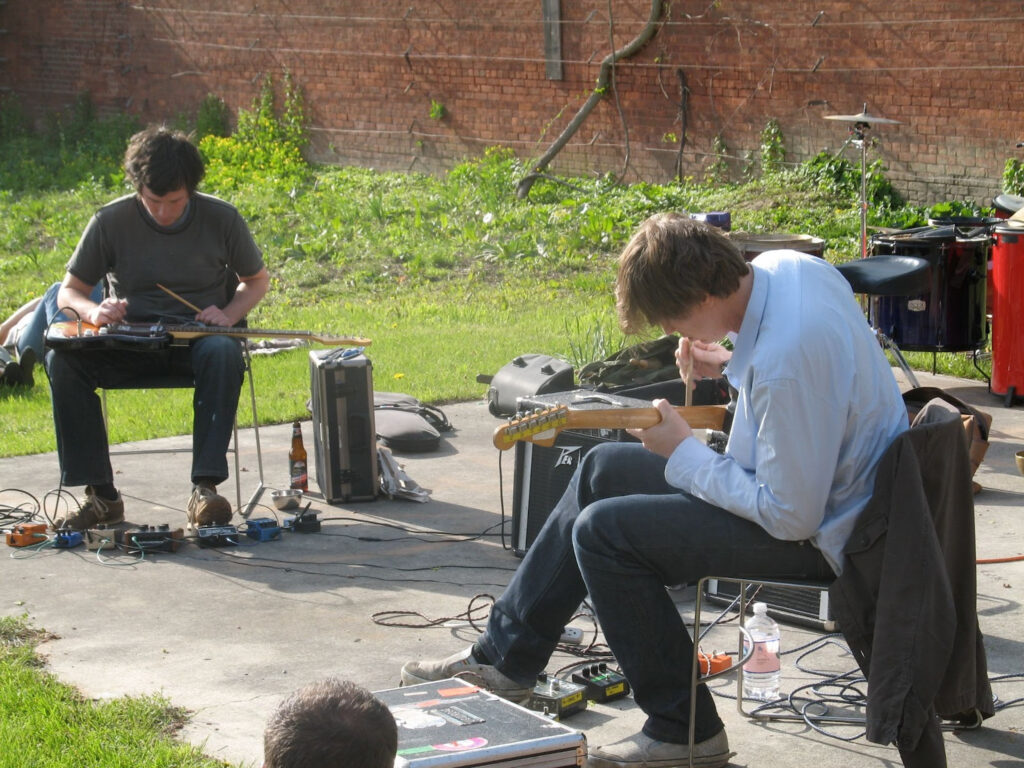
For decades, the Secret Garden provided a beautiful home that lured students to showcase and perform their work. This included musical and theatrical performances, as well as sculpture and costume design showcases. The last performance piece presented in the Secret Garden was a play titled “Salt Off A Bird’s Tail,” written by Ruby Lee Lowenstein. Below are examples of senior work that were initially performed in the Secret Garden.
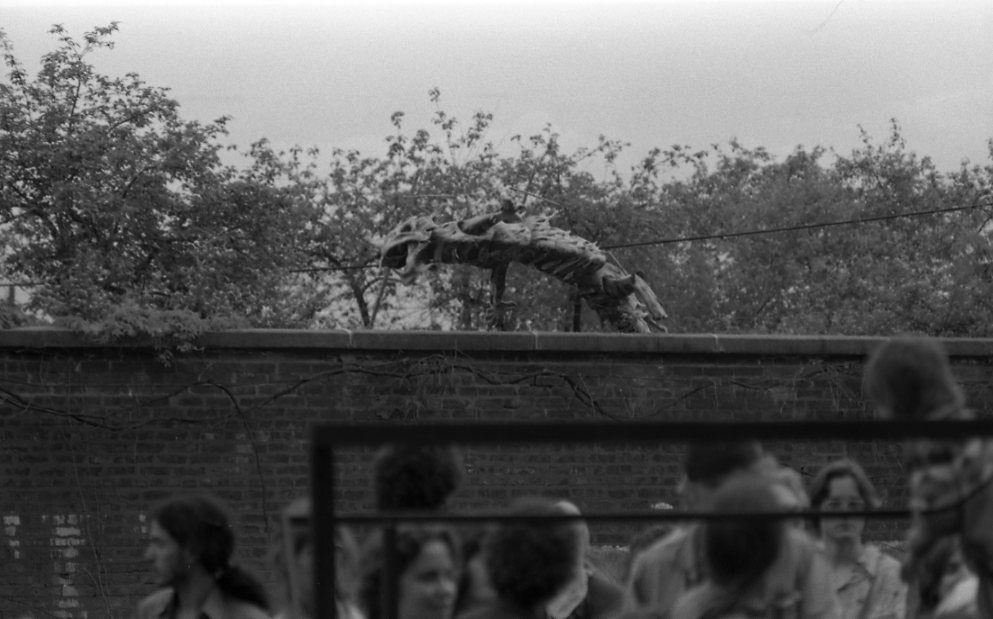
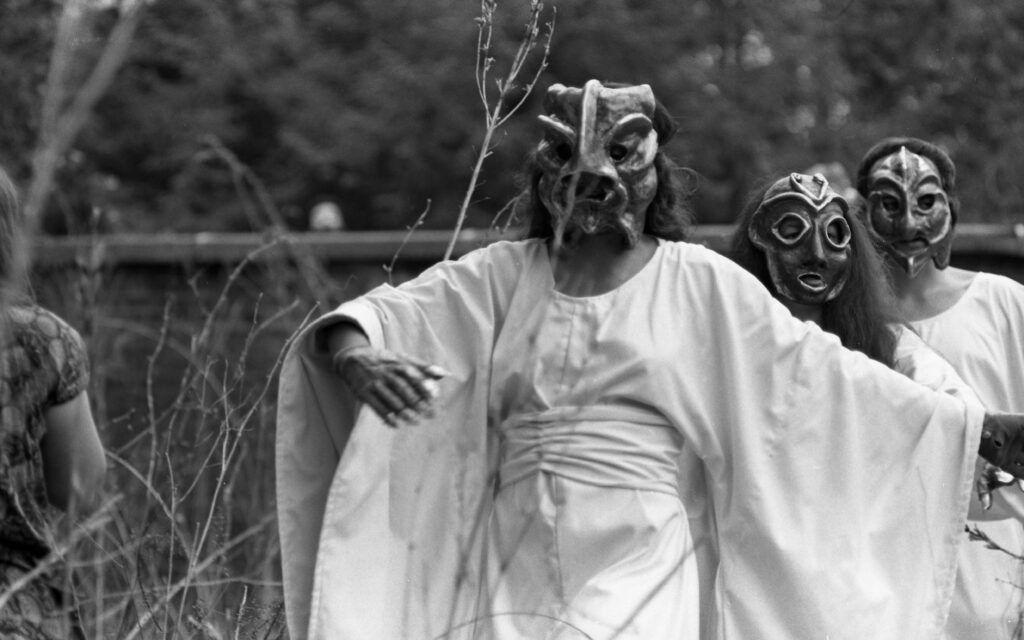
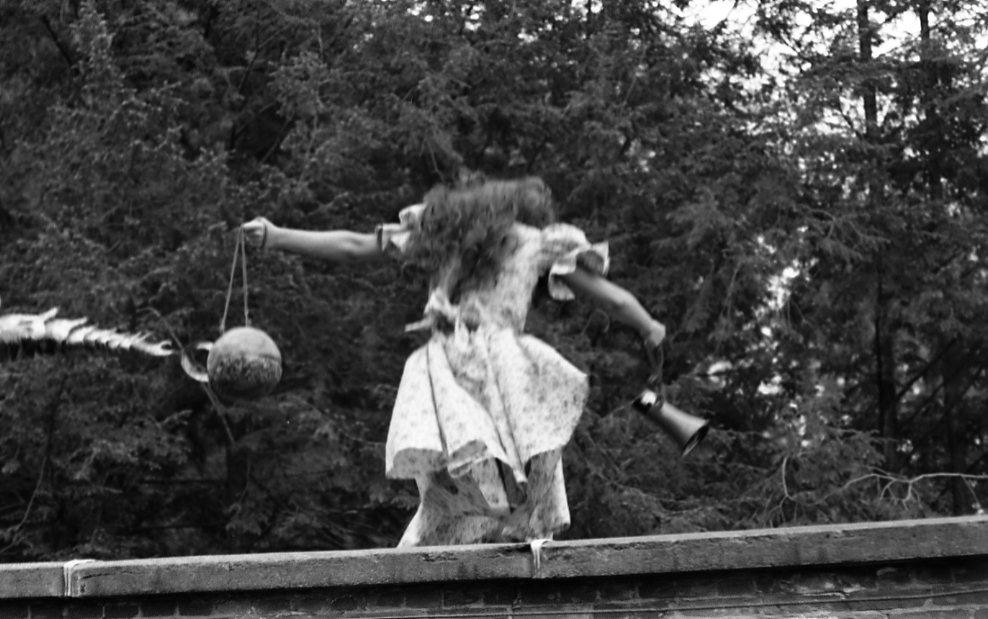
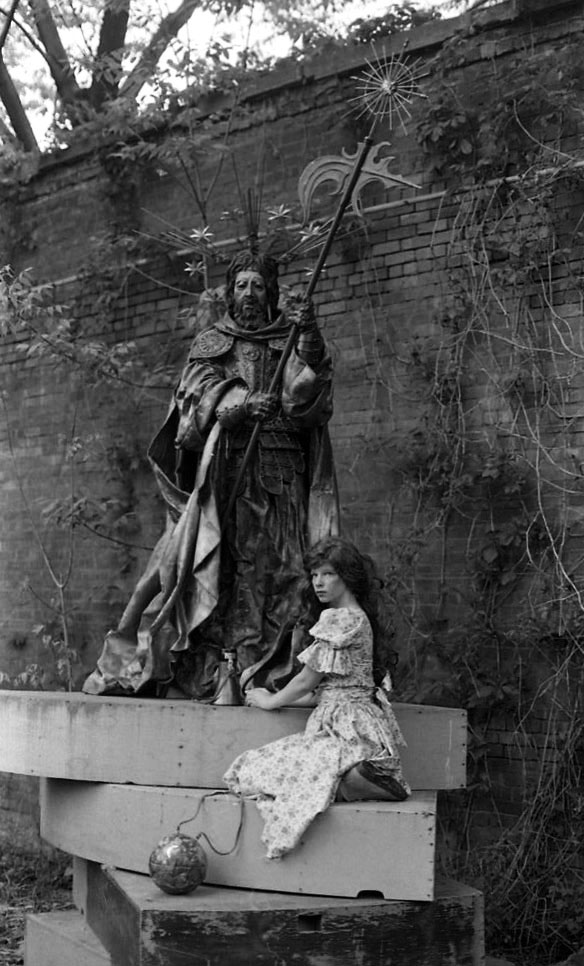
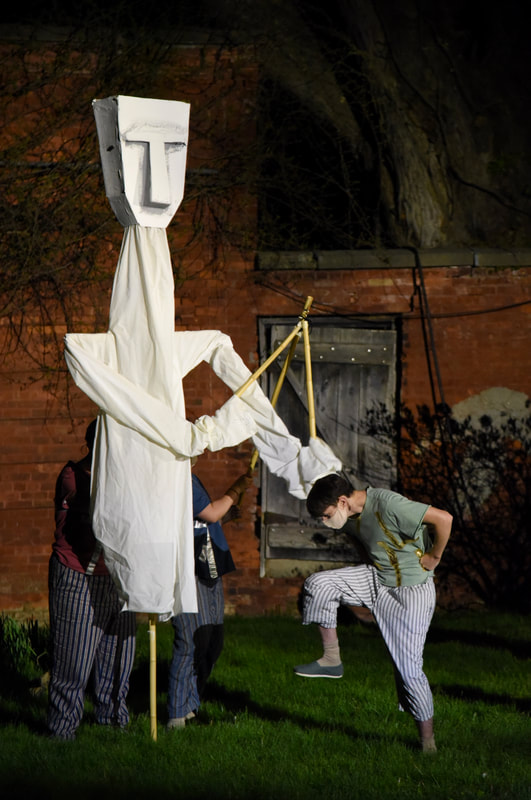
The Class of 2010 gifted the Secret Garden several pear trees upon graduation. In April 2012, there was an announcement officially closing the garden “until further notice” due to community safety concerns. The college claimed that over a few months, they would “decide how to proceed and will keep the community posted on our progress.”
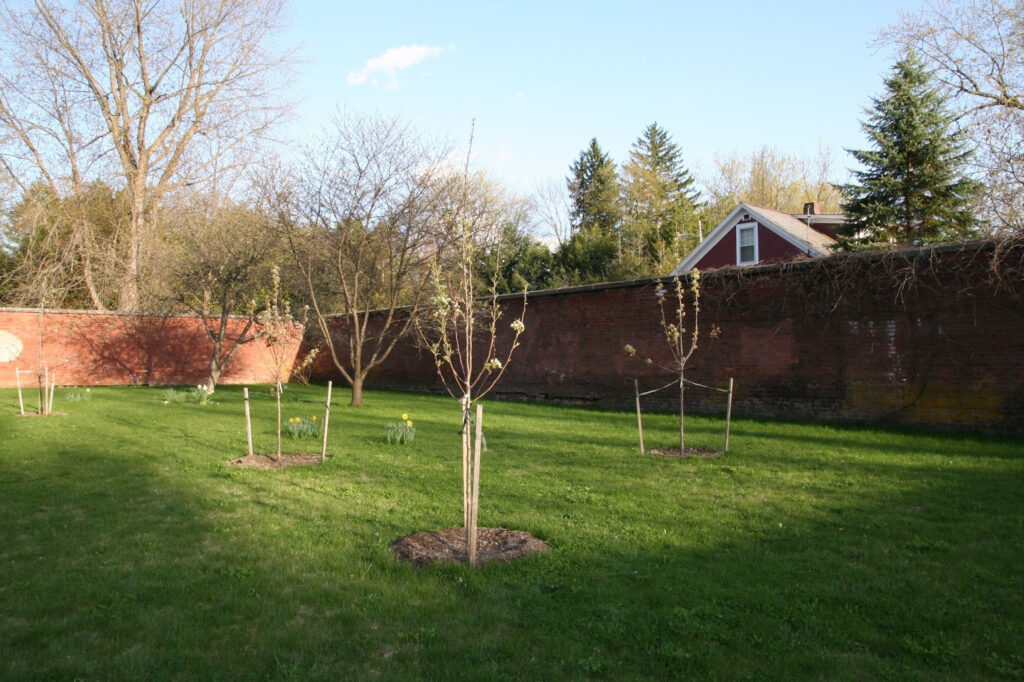
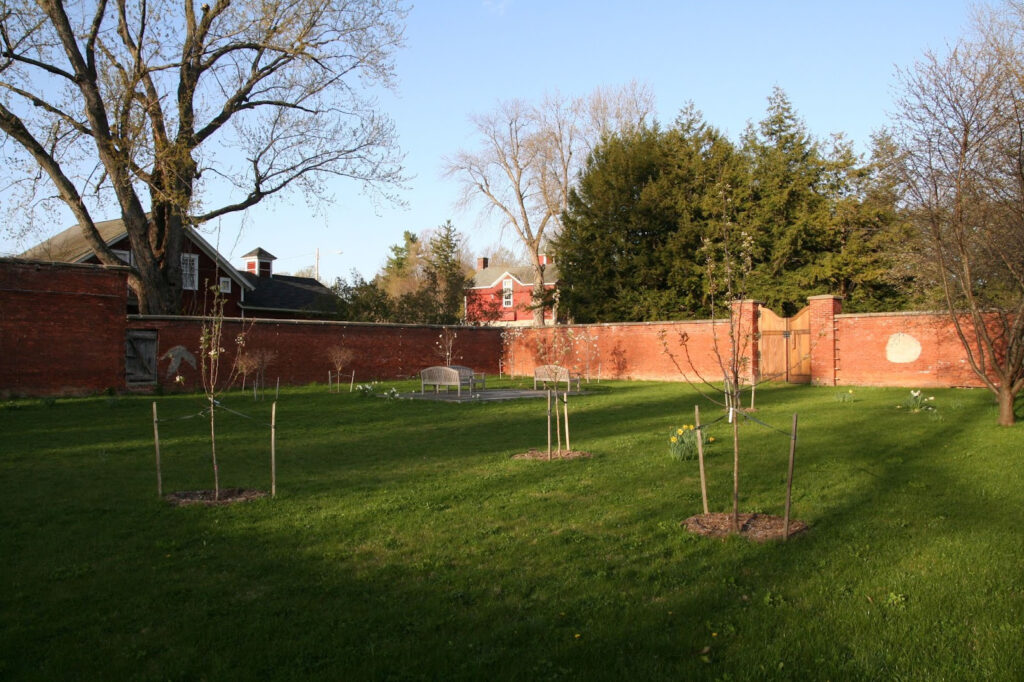
On tight-knit Facebook alumni groups, I reached out to see how Bennington College alumni felt about the teardown and to share memorable experiences associated with the garden. Gwen MacDonald, upon hearing about the project, wrote: “Oh no! That’s just awful. We used to walk there in the moonlight – especially beautiful with snow on the ground and ice on the tangle of branches so the moonlight sparkled.”
Constance Feydy said: “Early 90’s: My boyfriend and I sat and stargazed in the Secret Garden one night until the wee hours. I counted 30 shooting stars!”
Sally Jules wrote: “Some friends and I had an Easter picnic in the secret garden one year. Beautiful little place!”
Mildred Kennedy-Stirling shared: “ I loved the garden. When I was a student in the mid 90s I’d escape to read and photograph. When I stayed at the alumni house in the late 90s it was still accessible with lovely perennials in overgrown grass and granite seats set against surviving falling walls. I photographed it at alumni weekend. Sad to hear its open space and falling walls are considered too far gone.”
Alison Widmer said: “I’ve taken many peaceful naps in that garden. l’ve cried there. I’ve made love there. Buried a secret treasure there. I’m a bit chuffed to think of my personal history destroyed.”
Upon hearing about the demolition, I sat down with Associate Vice President for Facilities, Angel Kwasniak, to discuss the project. According to Kwasniak, years ago Buildings and Grounds tried to put the garden’s restoration in the CapEx budget. Unfortunately, the quote to repair the wall was totaled at around $600,000 and the institution could not afford to pursue renovations.
Additionally, a donation which funded the mahogany doors on the Secret Garden wall was made by the Helen Frankenthaler Foundation. Now that one wall has collapsed, and other walls have begun tilting.. Buildings and Grounds must “tear it down” for the community’s safety. Kwasniak said: “As a community, we can take the time to rethink how we want to rebuild it and what materials we want to use. Nothing inside the garden will change.”
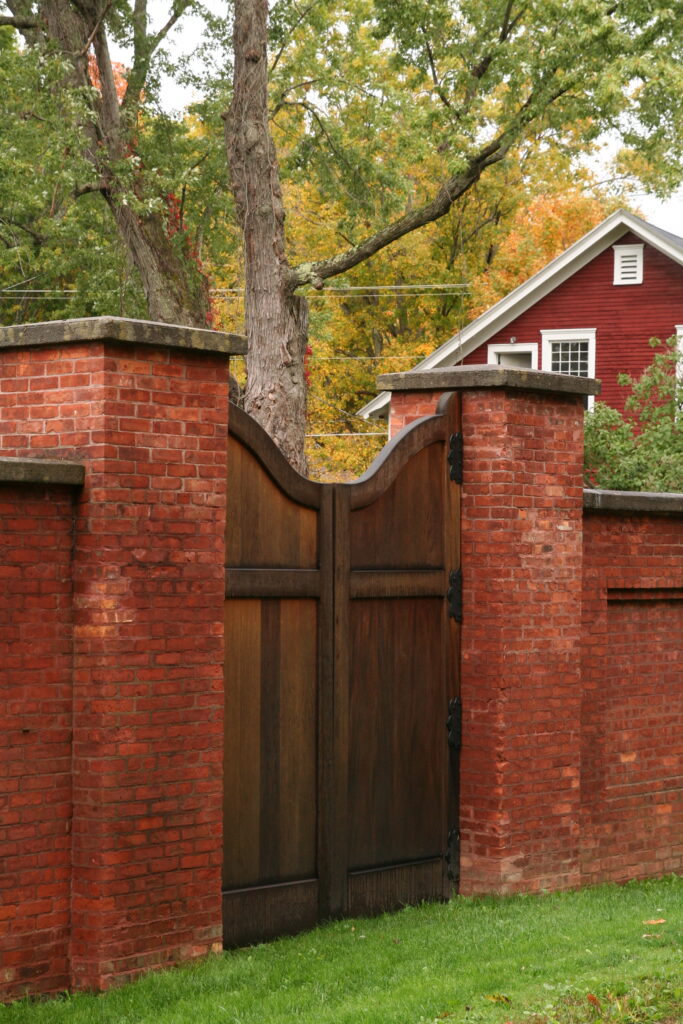
She affirmed that the plants in the garden will be protected and remain the same, adding: “I did talk to Communications and we’re gonna work with the community, because I do know it’s a very sacred place to the students. And I also know it’s sacred to alumni who went to school here.” Kwasniak, together with the rest of the Buildings and Grounds team, is optimistic about creating a new space for students, faculty, and alumni to enjoy. “I think it would be valuable to hear directly from the community as we move forward and design the space,” she said.
As community members, faculty, students, and Bennington alumni, we all recognize the Secret Garden as a sentimental space: a sanctuary that has held countless memories. Looking ahead, we can work together to secure funding and rebuild the garden, ensuring it continues to serve future generations.
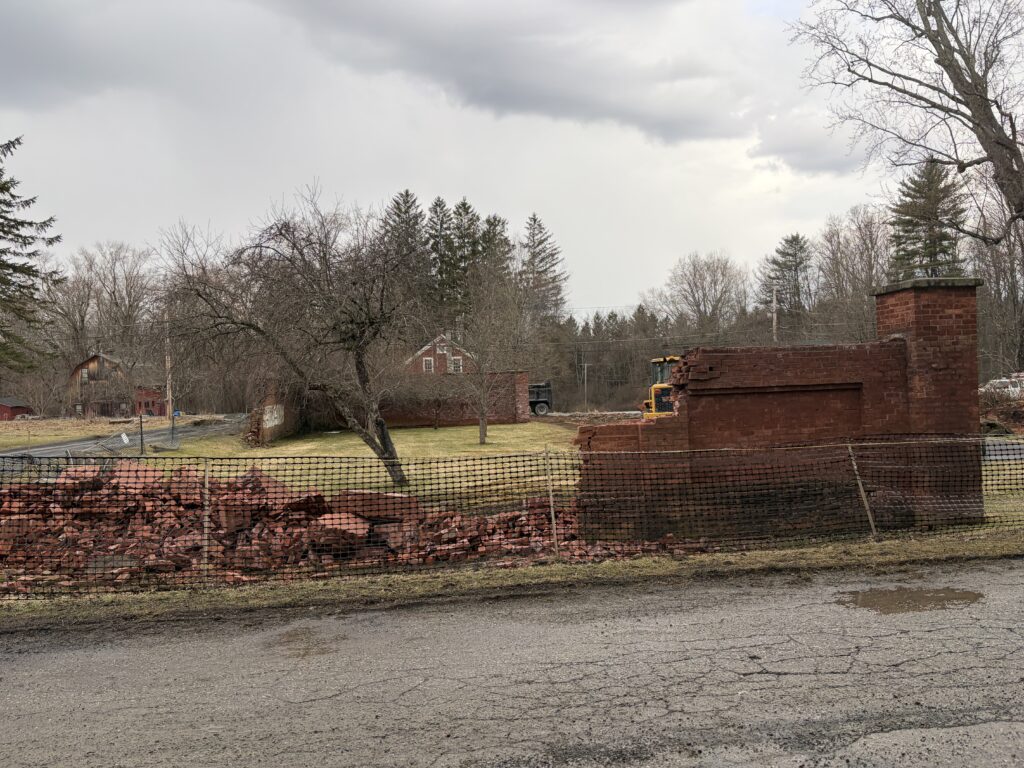
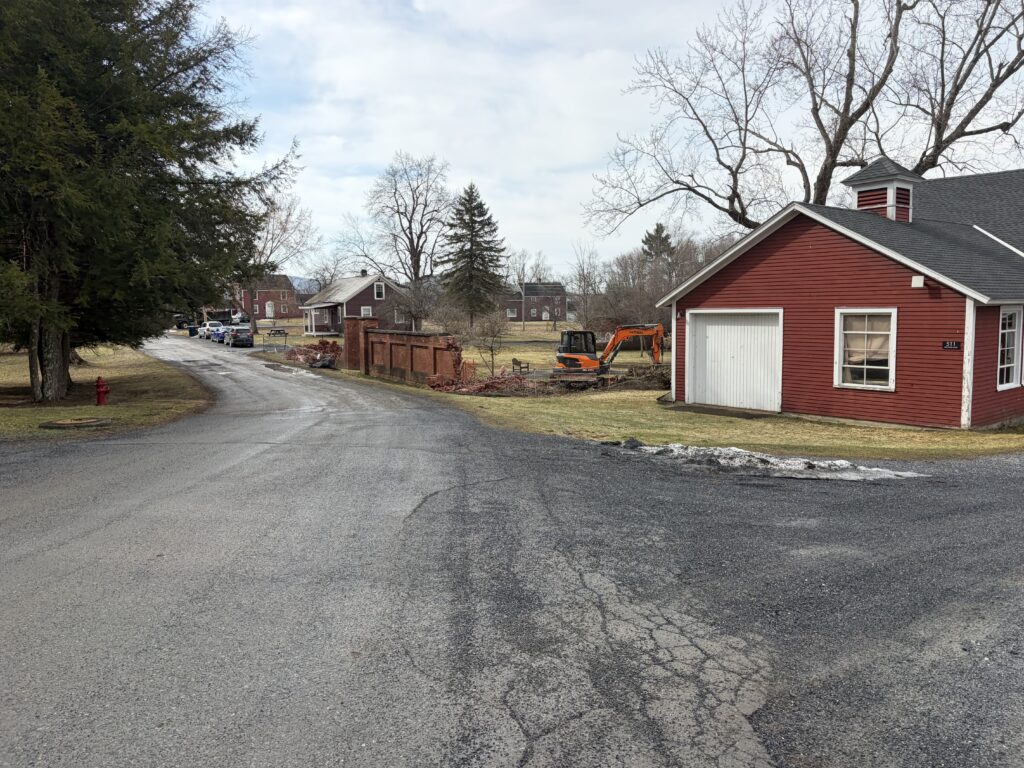
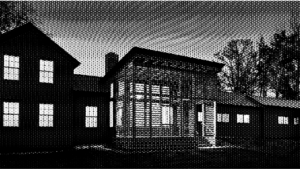
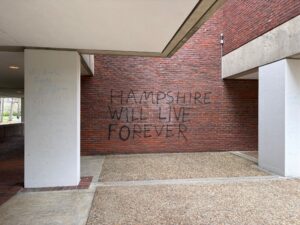
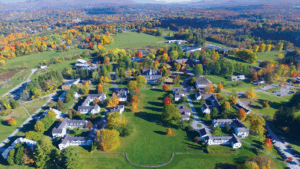
A Note from the Editors: As of today (3/11/2026), the walls of the Secret Garden have been torn down. Work was ongoing but had paused due to weather. The Lens was able to document a portion of the demolition:



Very sorry to see the ‘secret garden’ go, but it has been only occasionally and inadequatgely maintained and repaired over many decades, so it’s not surprising. A couple of comments on the name, history, etc.:
– When I arrived on campus in 1986, no one called it the ‘secret garden’. It was either ‘the walled garden’ or ‘the brick garden’. I suspect the new ‘secret garden’ name was assigned by popular demand after the movie ‘The Secret Garden’ (early 90s?).
– I’m not sure when the garden was named for Helen Frankenthaler, but it was pretty recent (perhaps after the large Frankenthaler family gifts ca. 15 years ago?). It certainly pre-dates the College. Bob Woodworth, who had been on faculty since the College’s founding, told me it was Jennings Estate’s ‘grapery’, and the vine trellises were still attached to the walls.
– Ed Flaccus (with students) started planting fruit trees in the walled garden in the 1970s. I continued along the same lines into the early 1990s, but we lost energy for the project when the College offered no encouragement.
– Finally, another name that should be associated with the garden is Becca Stickney. Beccca (class of 1943 I think) held many staff positions at the college over the years, lived on campus, and was a tireless booster of campus beautification. She was responsible (after a years-long campaign) for raising the funds to do a partial repair of the front wall and replace the main gate. Too little, too late, I fear…
Kerry Woods