This article contains spoilers for the show 2069: A Space Odesslay, which can soon be viewed on the Bennington College Drag Club YouTube channel
Drag as a term, form of art and entertainment, and source of identity has long existed across cultures and time. While the word “drag” is thought to have been first used in 1800s England, it was in reference to the centuries old practice of strictly-male actors playing female characters. Today, use of the term has expanded, encompassing a multitude of creative gender expressions beyond traditional ideas of “female impersonation” and a variety of mediums on and off the stage. As Western pop culture has shifted, particularly with modern icons of drag like the contentious RuPaul, drag has become more and more accessible. It now appears across more contexts, and, particularly recently, what drag is has become much more diverse and widespread. Today, drag can be found on college campuses: on black box stages, curriculums, and in the Dean Carriage Barn as a lecture-performance by academic and drag aunty LaWhore Vagistan.
This semester, drag at Bennington College has taken on many shapes. LaWhore Vagistan’s Lessons in Drag kicked off the spring, integrating queer studies with drag performance in a spellbinding lecture as part of the Carriage Barn Music Series. She opened by thanking the professors for inviting her and “believ[ing] in drag and joy and faggotry.” I, and many other members of Bennington’s Drag Club were in the audience, admiring her skill in performance, costuming, and the myriad of ways in which she brought intersectional and transnational thoughts, concerns, and voices to the forefront of her work.
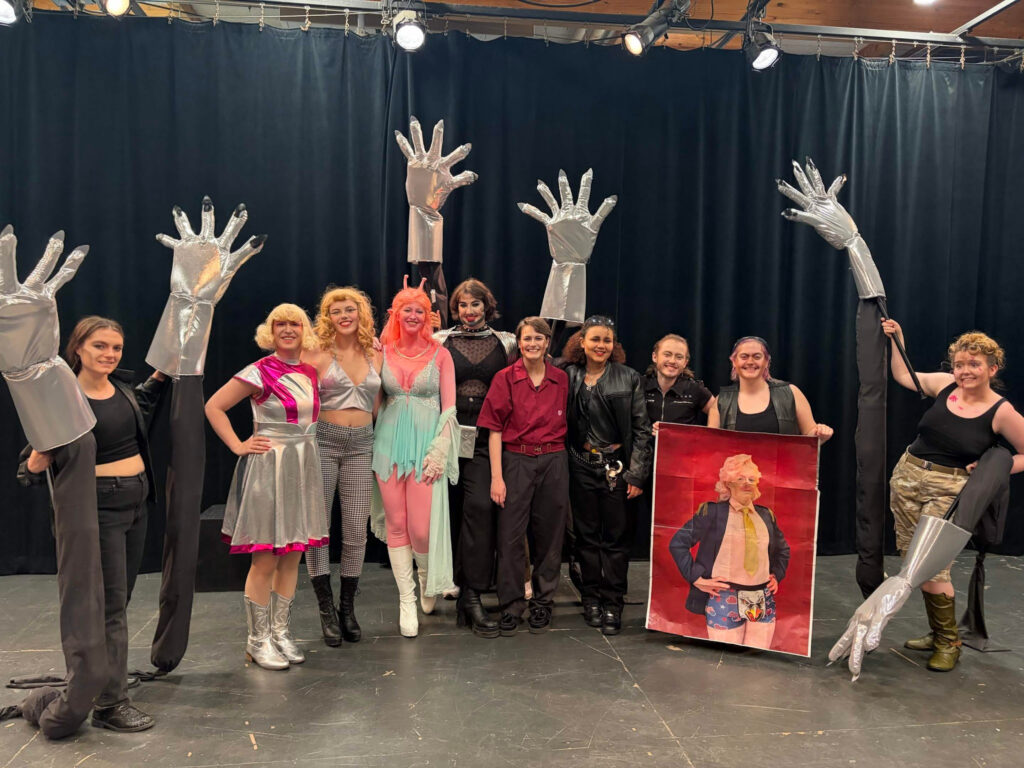
Drag Club has also been quite busy; my coleader, Andy Farrell (they/them) and I hosted the semesterly cabaret drag show as well as a scripted show titled 2069: A Space Odysslay. This campy sci-fi lip sync musical was written and directed by Farrell, built off little more than character ideas from cast members. Space Odysslay follows a space crew who arrived on a local planet in response to the spread of communism by the dastardly Karl Sparx. Romance and conflict unfolds over a myriad of lip sync numbers, ranging from a Glee cover of Michael Jackson to Beastie Boys’ Intergalactic to The Cure. Each drag performer brought their own talents in costuming and makeup, with volunteers and club members helping with tech, including local Vermont king, Duke Diebold.
The mission of Drag Club is to promote a very queer and individualized experience and expression of gender through drag, which echoes the liberatory opportunities of drag brought forward by LaWhore Vagistan in her book Lessons in Drag, written in collaboration with her academic alter ego, Professor Kareem Khubchandani (any pronouns). In the introduction, a mock interview between the two of them, Khubchandani writes that “the promise of drag has always been performance, the craft of seizing control over how we use our bodies and the aesthetics that surround us to reflect the world back to itself.” Together, they argue the ways that drag is generative, a practice of “emplacement [and] worldmaking.” In particular, Lessons in Drag makes explicit the Western, Northern, often white USAmerican ideals of gender and embodiment in queer spaces, building off Khubchandani’s research on gay Indian nightlife. The use of body and aesthetic as worldmaking is a core part of drag and other performance arts, which has not always, or often, been used in liberatory and decolonial ways.
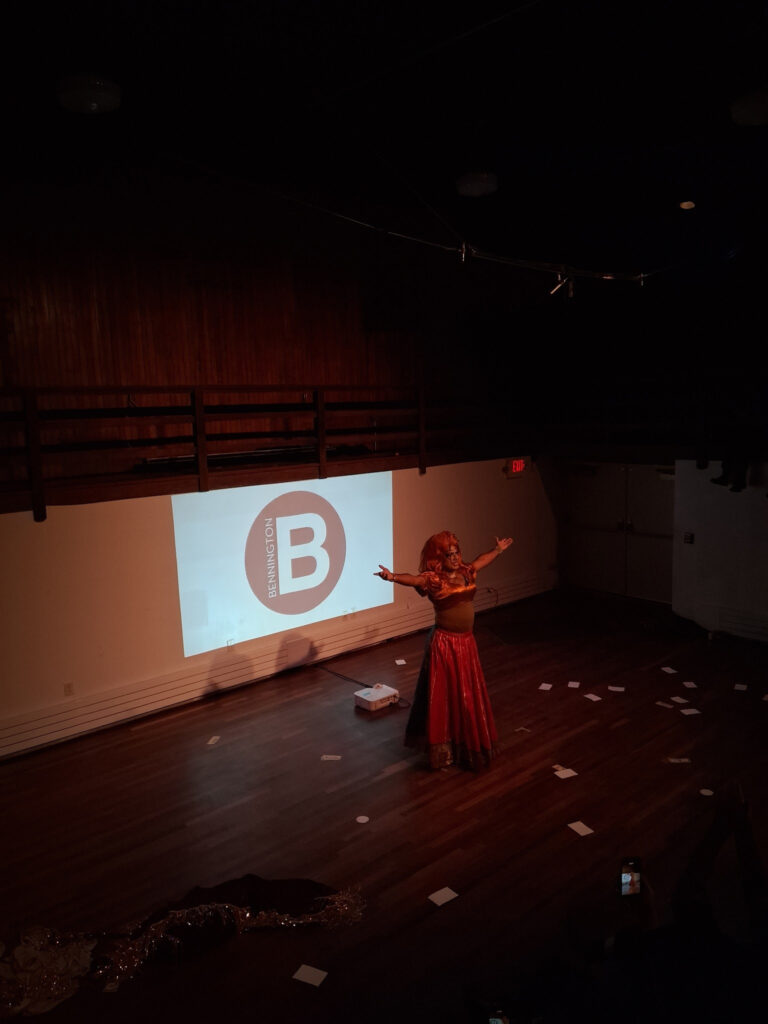
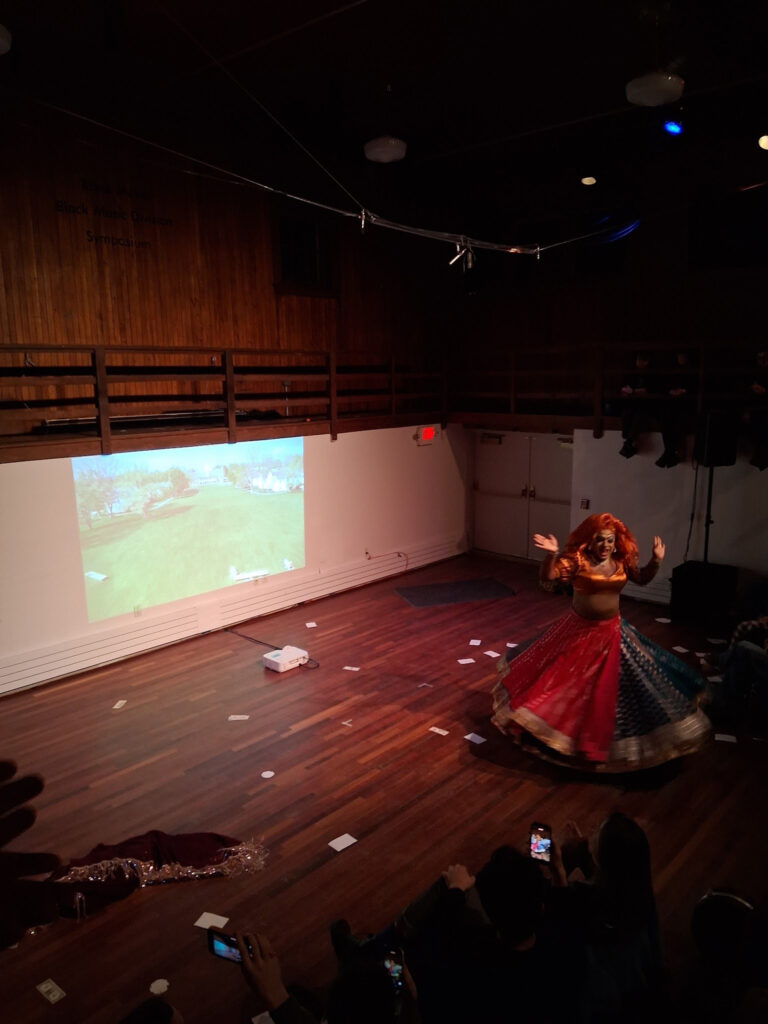
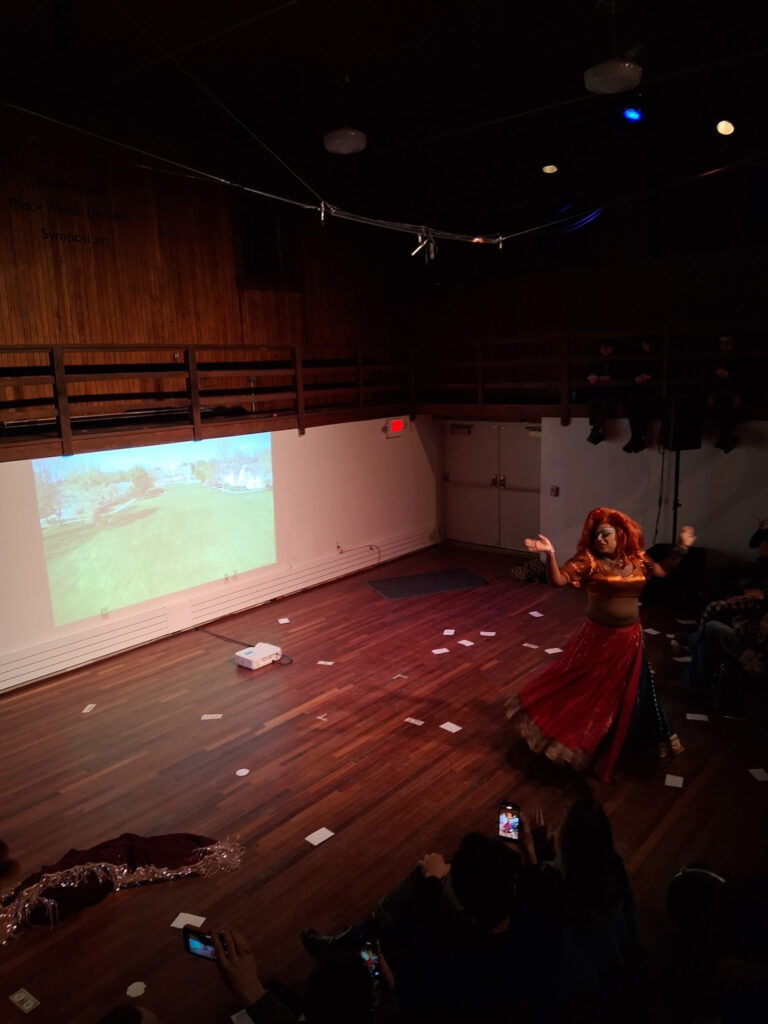
Image Descriptions: LaWhore Vagistan stands and twirls in front of projected images of Bennington College in a gold and maroon lehenga choli. She has brown skin, a voluminous orange wig, several pieces of jewelry, and dramatic, shimmering makeup.
However, the presence of drag in physical and/or theoretical academic spaces offers a chance to not only utilize queerness as pedagogy and praxis, but also to critically reconstruct limiting and harmful notions of what queerness looks like. Situating drag in sociocultural historical contexts removes it from the idealized and often culturally disconnected vacuums of reality TV or gay clubs, and allows performance as well as people to be recognized relationally. When drag is brought onto campuses, especially within this critical lens, it opens up a space for people to experiment, examine, and inhabit a queer embodiment that can be a source of strength and community.
Although Space Odysslay is primarily a comedic piece, it engages with and satirizes several current political issues; the most principal of which is the historical and current neoliberal agenda to undermine communism, which is exemplified in the grand reveal that the proselytizing villain, Karl Sparx, is actually a CIA operative. Also addressed in a tongue-in-cheek fashion are the predatory practices of Mormonism and the Amish, the omnipresence of corporate monopolies like McDonalds, and the sexism and homophobia across subcultures from tradewives to soldiers. Like much of drag, it is self-aware, and even confesses to the “b-movie stereotypes” and tropes it plays with, such as the aptly named S.A.L. (Sexy Alien Lady). Space Odysslay utilizes the spectacle and comedy of camp to probe issues in an upfront and entertaining fashion.
Likewise, as a club, we strive to encourage and cultivate as broad a scope of performance as possible, following the desires and interests of individual members. Since 2021, our drag queens, kings, and things have starred in scripted performances, haunted houses, and cabaret shows. Space Odysslay, like previous scripted shows, was created around the characters and desires of the cast. For example, drag king Hugh Ach (named after the McCarthy-era House Un-American Activities Committee, also known as HUAC) inspired the communist villain, while a request for an enemies-to-lovers arc prompted the romance between bad boy Carolina Reaper and captain Max Velocity.
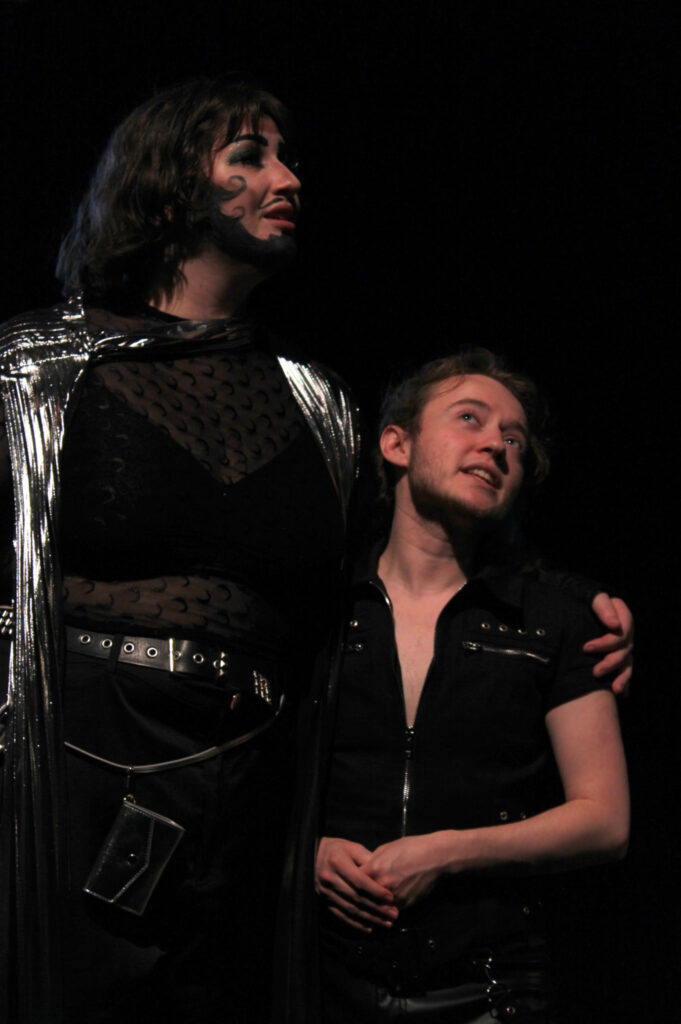
In these performances, lovingly described by a club member as “diverse, sincere, and just plain weird,” there is no limitation or expectation of what drag should look or be like. Drag Club has hosted a myriad of performances, from Drag Race style queens that lip sync and do stunts to clowns who recite Shakespeare, puppet drag things, and kings who sword swallow. Our flexibility doesn’t end at diverse performances, but includes support for the various genders, cultures and expressions of members, whatever those may be.
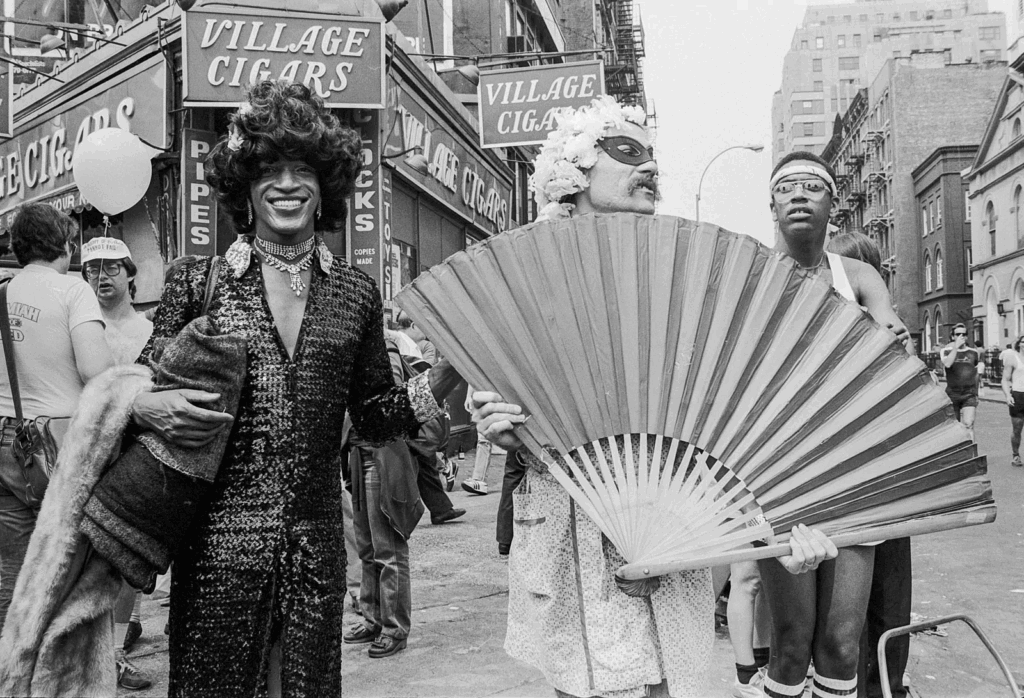
The primary goal of Drag Club is to serve as a space for people, queer or otherwise, who want to explore their gender in a creative, personal, and collaborative manner. While our ultimate goal is creating entertaining theatrical performances, the club also serves as a space to promote not only drag but queerness at large, especially members of the community who have been increasingly marginalized in drag spaces, even as they historically served to create it. In the decades around Stonewall, political coalitions of drag queens, transgender women, and those who did not identify as either were often at the forefront of queer liberation and community building. However, as cis gay men like RuPaul became the face of both mainstream drag and the LGBT+ community as a whole, they have not always represented or respected all of us. Intentionally and otherwise, many of these gay icons mocked or outright excluded members of the drag community whose histories extend just as far, especially transwomen and drag kings of all genders. Drag, and the marginalized communities that intersect with it, have a long history of discrimination and hate, a history that drag performers are not excluded from perpetrating.
However, within this often contested and politically generative space, there is still plenty of room for joy. When discussing the significance of drag and its place in higher education, the joys of queer embodiments like drag must be central, even as we seek to right historic injustices. Drag as art and entertainment offers a positive and affirmative model of queerness, and a space for people to play with gender, sexuality, and presentation. Khubchandani states that “drag labor… simultaneously entertains and convenes community,” a practice direly needed in both queer and academic spaces in the midst of societal challenges in funding, support, and wellbeing. While a romantic duet between Karl Sparx and his sidekick in Space Odysslay is not a how-to on survival or the destruction of CIA imperialism, it is a fun, campy, depiction of queer love and quitting your shitty job, which is valuable in its own right and opens the door for further discussions and explorations.
These generative practices are of particular importance at Bennington college. Khubchandani’s Lessons in Drag was created to offer drag as “a vibrant resource with which to hone a relationship to the rest of the world, to center embodiment and reciprocity in increasingly alienated and automated neoliberal conditions.” The practices and studies of drag are well-suited for interdisciplinary and queer (in all senses of the word) colleges like Bennington, and, in a time of uncertainties and budget cuts, it is only with solidarity, joy, and faggotry that we can continue to carve out liberatory practices.
I will conclude by thanking LaWhore Vagistan, Joe Alpar and everyone behind the scenes of the music series, my co-leader Andy Farrell, and the past, present, and future members of Drag Club, whose brilliant work and bravery continues to inspire me. For those who want to read more about the process and content of Space Odysslay, you can read its casebook by Tilda Stace, our assistant director, editor, and actor!







Be First to Comment